
Blog
Stakeholder Capitalism in 2026: The Edelman Trust Barometer Findings Every CMO Should Read
How do we lead our enterprises when 61% of our global family carries a deep, burning sense of grievance toward the institutions they believe serve the narrow interests of the few? This is our immediate reality.
The global trust crisis has officially become an urgent business crisis. To survive, we must transition to a system that honors our collective humanity.
This is why we are entering a new era of stakeholder capitalism 2026. This shift demands that we redefine the very role of the corporation.
In his book “We First” (2012, McGraw-Hill), Simon Mainwaring argued that businesses now operate inside communities, not above them. We cannot isolate ourselves from the social fabric.
The global trust landscape of 2026 is defined by a silent, protective retreat into insular circles. Seven in ten individuals are hesitant to trust anyone who does not share their values.
Chief Marketing Officers and Chief Brand Officers must act as active trust stewards. We must move past the era of the simple storyteller.
We must recognize that the Edelman Trust Barometer 2026 represents a vital strategic signal. This is a profound shift rather than a standard communications report. It is a roadmap for corporate survival.
Our task is to build a brand movement that generates social capital and real, measurable good. We need to align our organizations with the needs of the communities we serve.
What Does The Edelman Trust Barometer 2026 Reveal About Stakeholder Capitalism?
The Edelman Trust Barometer 2026 points to a reality that many business leaders can no longer ignore. We are operating in an environment where trust is becoming scarce, while expectations of business continue to rise.
Global trust levels are being tested by economic anxiety, social division, and growing skepticism toward institutions.
For enterprise brands, trust functions as a form of social capital. It influences reputation, customer loyalty, employee advocacy, investor confidence, and long-term growth.
In a stakeholder economy, relationships create value. Brands that earn trust build stronger communities around their products, services, and purpose.
Trust also creates resilience. When customers believe in a company’s intentions, employees feel connected to its mission, and investors see credible leadership, organizations are better positioned to navigate uncertainty.
Why Does Business Remain More Trusted Than Government And Media?
Despite widespread institutional skepticism, business continues to rank as the most trusted institution globally according to the Edelman Trust Barometer. Yet this trust advantage comes with higher expectations.
People increasingly expect companies to address issues that affect their stakeholders and communities while maintaining strong business performance.
For leaders committed to stakeholder capitalism 2026, this represents both an opportunity and a responsibility.
Key expectations now placed on businesses include the following:
- Acting with transparency and accountability.
- Supporting employees beyond the workplace.
- Creating long-term value for society.
- Contributing to shared prosperity and economic opportunity.
How Does The 2026 Edelman Trust Barometer Change The Role Of The CMO?
This shifting landscape fundamentally redefines the mandate of the modern marketing leader. We can no longer be simple storytellers of purpose.
As a conscious capitalism CMO, we must become an active architects of action.
We must build trust across our entire ecosystem by focusing on three key areas:
- Architecting Action: Move beyond surface-level PR to align core products with community needs.
- Ecosystem Alignment: Build mutual value for workers, suppliers, and consumers alike.
- Trust Brokering: Design cooperative platforms that unite people across growing societal divides.
By doing so, we transform reputation into a measurable, compounding business outcome.
Why Is Stakeholder Capitalism 2026 Becoming A Competitive Advantage Instead Of A Moral Choice?
For decades, the narrow doctrine of maximizing short-term shareholder value starved our communities and depleted our planet. Today, we are witnessing a profound awakening.
Through the “We First” framework, we proved that businesses must operate as collaborative movements. We must generate shared prosperity across the entire ecosystem.
This evolution gave rise to conscious capitalism and the rapid expansion of the B Corp movement. Led by B Lab, over ten thousand certified companies have legally embedded stakeholder accountability into their DNA. This proves we can marry profit with planetary stewardship.
What Do Consumers And Employees Expect From A Stakeholder Economy?
Our collective generation demands authentic action over superficial promises. We want brands to be active stewards of our humanity.
According to Just Capital, eighty percent of the public believes that business must act as a force for positive social change. Furthermore, eighty-nine percent agree that companies must actively promote an economy that serves all citizens.
We must prioritize fair wages and environmental safety.
- Fairness: Workers demand living wages, career training, and psychological safety.
- Stewardship: Over seventy percent of consumers remain loyal to brands actively protecting the environment.
Why Are Stakeholder-Focused Brands Outperforming In Trust?
The financial data is clear. Operating with a stakeholder focus is a proven blueprint for resilience. It is the ultimate source of trust-driven growth.
Purpose-driven organizations achieve fourteen percent higher revenue growth. They also experience sixty-seven percent less employee turnover. This significantly reduces recruitment costs.
During global crises, over ninety-five percent of B Corps remained fully operational, outperforming traditional firms. By building real social capital, we secure long-term investor trust, market margins, and brand survival.
Which Stakeholder Capitalism Examples Should CMOs Study In 2026?
Patagonia has redefined the relationship between brand and consumer by building a passionate tribe around environmental stewardship. Under Board Chair Charles Conn, the brand launched its “Worn Wear” program, inviting consumers to repair rather than replace.
This bold move proved that prioritizing planetary health builds deep, unwavering community loyalty. By treating our shared home as a primary stakeholder, we cultivate long-term viability and social capital.
What Can Ben & Jerry’s Teach Brands About Values And Accountability?
Ben & Jerry’s proves that consistent civic advocacy is a powerful growth engine. The brand famously took its messaging on the road with the “Save Our Swirled Tour,” combining product sampling with climate action.
- Actionable Advocacy: We must involve our communities in solving systemic challenges.
- Narrative Integrity: Our public statements must always align with our operational sacrifices.
How did Unilever’s Sustainable Living Plan Influence Enterprise Brand Strategy?
Unilever provided the ultimate business case for conscious capitalism at scale. Its Sustainable Living Brands, which integrated environmental stewardship into their operations, grew sixty-nine percent faster than the rest of the portfolio.
These purposeful brands delivered 75% of the parent company’s overall growth. This massive scale proves that caring for humanity is the most profitable path forward.
Why Are B Corp Brands Such As Allbirds, Bombas, And Tony’s Chocolonely Relevant To Stakeholder Capitalism 2026?
Brands like Allbirds, Bombas, and Tony’s Chocolonely show that B Corp certification is verified proof of impact. Under the strict new B Lab standards, certification is no longer a marketing badge.
These organizations balance rapid growth with deep collective responsibility. They show us how to build a resilient, high-performing enterprise.
| Brand | Core Impact Strategy | Business Resiliency Outcome |
| Bombas | One-for-one donation model integrated into every purchase. | Deep consumer loyalty and rapid market share expansion. |
| Tony’s Chocolonely | Verified, slave-free cocoa sourcing that compensates farmers fairly. | Unmatched brand advocacy and premium market positioning. |
What Are The Biggest Warnings In The Edelman Trust Barometer 2026 For Enterprise Brands?
According to recent Edelman Trust Barometer findings, grievance and distrust continue to rise across many societies. A growing number of people believe institutions are failing to serve ordinary citizens, creating deeper social fragmentation and weakening confidence in traditional sources of authority.
Why Is Distrust Becoming The Default Setting For Many People?
The challenge for brands is now the fragmentation of trust.
Economic uncertainty, political polarization, and concerns about fairness have created an environment where optimism is harder to sustain. In a stakeholder economy, distrust spreads quickly across communities, employees, customers, and investors.
For CMOs, rebuilding social capital requires consistency, transparency, and visible accountability over time.
What Happens When Stakeholder Capitalism Becomes Marketing Instead Of Management?
Many organizations talk about values. Few embed those values into leadership decisions, operations, and culture.
This gap creates several risks:
- Purpose washing and credibility loss.
- ESG fatigue among stakeholders.
- Increased scrutiny from employees and consumers.
- Reputational damage when actions fail to match commitments.
Trust is strengthened through evidence. Stakeholders increasingly expect measurable progress rather than aspirational messaging.
Why Are Employees Becoming The Most Important Trust Audience?
The Edelman research continues to show that employers remain among the most trusted relationships in people’s lives.
Employees experience a company’s values firsthand. Their experiences influence recruitment, retention, advocacy, and reputation.
For enterprise brands, culture has become part of brand infrastructure. Organizations investing in leadership alignment, stakeholder engagement, and adoption programs often create stronger trust internally before it becomes visible externally.
This is why initiatives such as AI Culture & Adoption and stakeholder-focused leadership strategies are becoming increasingly important for long-term brand credibility and resilience.
| Trust Driver | Business Impact |
| Employee experience | Reputation strength |
| Leadership credibility | Higher retention |
| Internal trust | Stronger brand advocacy |
| Cultural alignment | Long-term resilience |
How Can CMOs Turn Stakeholder Capitalism 2026 Into A Trust Strategy?
The Edelman Trust Barometer 2026 consistently shows that trust influences purchasing decisions, employer preference, and long-term brand loyalty. For CMOs, trust is no longer a reputation outcome alone. It has become a business KPI tied directly to growth, resilience, and stakeholder value creation.
How Should Brands Measure Trust As A Business KPI?
Trust becomes meaningful when it is measured consistently across stakeholder groups.
Key indicators include:
- Brand reputation and favorability.
- Employee engagement and retention.
- Customer loyalty and advocacy.
- Investor confidence and long-term support.
- Community sentiment and stakeholder feedback.
Together, these signals reveal whether trust is growing or eroding over time.
How Can CMOs Build Social Capital Across Stakeholder Groups?
Social capital is created through relationships.
| Stakeholder Group | Trust-Building Priority |
| Customers | Transparency and accountability |
| Employees | Culture and belonging |
| Communities | Meaningful contribution |
| Investors | Responsible growth |
| Partners | Shared values and collaboration |
Organizations that consistently invest across these groups strengthen their position within the stakeholder economy.
What Role Does Brand Narrative Play In Stakeholder Capitalism?
A strong narrative helps align purpose, leadership decisions, and stakeholder expectations.
When messaging reflects real business behavior, credibility grows. This is why many organizations are investing in strategic narrative development to ensure communication, culture, and action reinforce one another over time.
How Can Organizations Create Collective Impact Instead Of Isolated Campaigns?
Simon Mainwaring has long argued that enduring brands build movements, not moments.
That requires bringing employees, customers, partners, and communities into a shared mission. Organizations that focus on long-term engagement often create stronger trust than those relying on short-term campaigns.
For enterprise leaders, stakeholder capitalism 2026 ultimately depends on building communities around a common purpose and creating shared prosperity that stakeholders can see, experience, and participate in.
Why Will The Future Of Stakeholder Capitalism Depend On Trust?
How do we lead our enterprises when seven in ten citizens globally refuse to trust anyone holding different values? This defensive retreat into insularity threatens to paralyze workplace productivity, stall innovation, and undermine executive leadership.
What Does Simon Mainwaring’s We First Philosophy Mean For 2026?
Our business success is permanently tied to societal success. Simon Mainwaring’s We First philosophy shows that we cannot run a healthy business on a sick planet.
Treating shared prosperity as a core growth strategy allows us to meet global challenges with equal force. This collective value creation builds deep social capital.
Why Will The Most Trusted Brands Win The Next Decade?
The next decade belongs to trust-led leadership. Trusted brands build a resilient ecosystem that serves as a permanent competitive advantage.
- Market Leadership: Certified B Corps outperform their peers in revenue and employee growth.
- Resiliency: Ninety-five percent of stakeholder-oriented brands remained operational during global disruptions.
CMOs must elevate our collective humanity through conscious company culture to secure sustainable growth.
Conclusion: What Should Every CMO Learn From The Edelman Trust Barometer 2026?
How do we lead when only 32% of our global family believes the next generation will be better off? The Edelman Trust Barometer 2026 makes one truth undeniable: stakeholder capitalism is no longer a niche concept.
Trust has officially transitioned from a soft marketing asset to our most critical business currency. Every enterprise leader must recognize that the deepening divide demands that we act as active trust brokers rather than simple corporate storytellers.
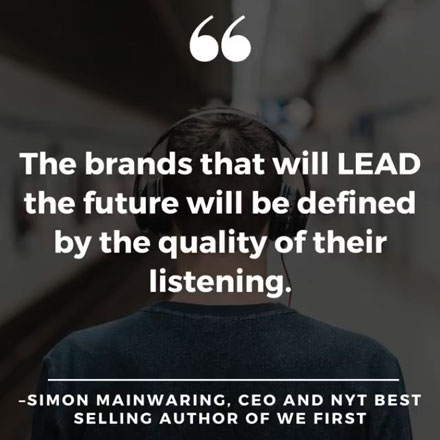
- Act as Trust Brokers: Engage stakeholders exactly where they are through respectful, non-ideological listening and localized solutions.
- Operationalize Shared Prosperity: Address the material realities of your workforce, community, and planetary ecosystem through verified action.
- Build Movement, Not Moments: Replace short-term marketing stunts with long-term, community-led initiatives that invite collective participation.
We must align our growth with the advancement of humanity. By partnering with We First for your strategic brand narrative, we can build a future where business success and human progress advance together with speed and equal force.
FAQs About Stakeholder Capitalism 2026
What Is Stakeholder Capitalism In 2026?
Stakeholder capitalism 2026 describes a business approach where companies create value for employees, customers, communities, investors, and shareholders together. Trust, accountability, and shared prosperity have become central drivers of long-term growth and competitiveness.
Why Is The Edelman Trust Barometer 2026 Important For CMOs?
The Edelman Trust Barometer 2026 helps CMOs understand how trust influences brand reputation, stakeholder relationships, and business performance. Its findings provide insight into the expectations shaping leadership, communication, and growth in the stakeholder economy.
How Can Companies Measure Trust As A Business KPI?
Organizations can track trust through customer loyalty, employee engagement, reputation scores, stakeholder sentiment, and retention metrics. Together, these indicators reveal whether a company is building social capital or weakening stakeholder confidence.
What Are Examples Of Companies Practicing Stakeholder Capitalism?
Companies such as Patagonia, Ben & Jerry’s, Unilever, Allbirds, Bombas, and Tony’s Chocolonely are frequently cited for balancing business growth with environmental responsibility, community impact, and stakeholder value creation.
Why Will Trust Become A Competitive Advantage In The Stakeholder Economy?
As consumers, employees, and investors become more selective, trust increasingly influences buying decisions, talent attraction, and brand loyalty. Organizations that consistently earn trust often build stronger stakeholder relationships and greater resilience during periods of change.